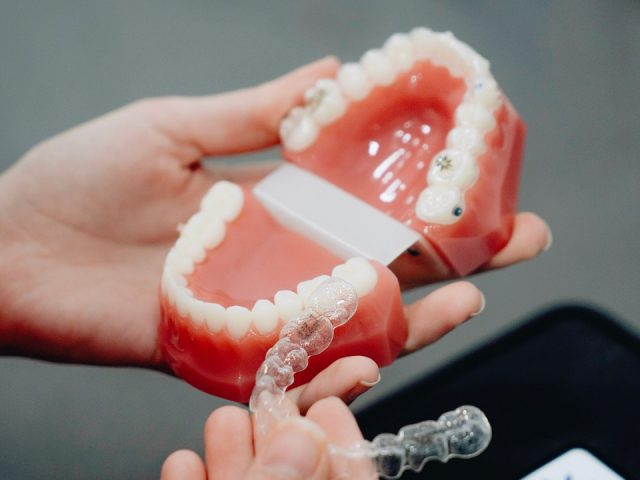
Starting Invisalign means learning a few new habits: taking your aligners out before lunch, remembering their case, and getting comfortable talking while wearing them. During the first week, these everyday details may take more attention than you expected.
This educational guide from Boulder Dental Designs helps Boulder, CO, readers understand those adjustments. For instructions specific to your treatment, follow the clinician managing your aligners.
What Might Feel Different at First?
Clear aligners fit closely around your teeth, so they may feel unfamiliar when you first put them in. Mild pressure or tenderness can occur during the first few days. The American Association of Orthodontists describes an initial adjustment period, with temporary mild discomfort being common.
Give yourself time to learn how to insert and remove your trays using the technique your treating clinician demonstrated. Before leaving your fitting appointment, make sure you can do both comfortably and know whom to contact if something does not fit.
Eating and Drinking: Plan Around Mealtimes
Remove your aligners before meals, snacks, and drinks other than plain cool or room-temperature water. That includes coffee, smoothies, and sports drinks—even when you use a straw.
According to the manufacturer's aligner care instructions, you should brush and floss after eating before putting your trays back in.
A repeatable mealtime routine makes those steps easier:
- Wash your hands and remove your aligners.
- Place them in their protective case.
- Enjoy your meal.
- Clean your teeth and aligners as instructed.
- Reinsert your trays and end your removal timer.
Avoid wrapping trays in a napkin, where they can easily be mistaken for trash. Make the case part of your place setting whenever you eat away from home.
If your teeth feel tender, softer foods such as scrambled eggs, yogurt, or pasta may feel more comfortable. You do not need to rush meals or skip food to meet your wear target.
Speaking: Give Yourself Practice Time
You may notice a slight lisp or find certain sounds unfamiliar at first. Your tongue is adjusting to the trays, and the experience varies from person to person. The manufacturer's first-weeks guide notes that temporary speech changes can occur.
For low-pressure practice, try reading a page aloud, making a short voice recording, or chatting with someone you know well. These are opportunities to get comfortable—not a test you need to pass by a particular day.
If you have an important presentation, leave yourself a few minutes to practice beforehand. Ask your treating clinician about speech changes that persist or make everyday communication difficult.
Build Your Wear Routine Around Your Actual Day
Invisalign generally recommends wearing aligners for 20–22 hours daily, including during sleep. Your prescribed schedule should guide you. Removing trays repeatedly or leaving them out longer than directed can interfere with treatment progress. See the manufacturer's wear guidance.
Instead of relying on memory, connect aligner care to habits you already have:
- At breakfast: Put your case beside your plate and start a timer when the trays come out.
- Before leaving home: Check that your case, toothbrush, and floss are packed.
- After lunch: Complete your cleaning routine before returning to work or class.
- At bedtime: Clean your teeth and trays, then confirm your aligners are back in.
For a Boulder workday or afternoon outdoors, pack your supplies before heading out. A routine needs to work beyond your bathroom counter.
If you repeatedly miss your prescribed hours, tell your treating clinician. Do not independently skip trays or change your replacement schedule.
Keep Cleaning Simple and Consistent
Follow your product instructions for cleaning your aligners. The manufacturer's care guidance recommends gentle brushing and thorough rinsing, and advises against soaking trays in mouthwash.
Avoid hot water, which can distort the plastic. Use only cleaning products approved for your aligners, and keep the case clean as well.
If you cannot brush after a meal, rinse your mouth and trays with water as a temporary measure, then clean thoroughly when you can.
When to Contact Your Treating Clinician
Do not assume every problem is part of adjusting. Contact the dentist or orthodontist managing your treatment if:
- Pain is severe, worsening, or persistent.
- An edge repeatedly cuts or irritates your mouth.
- A tray is cracked, distorted, lost, or will not seat properly.
- You are unsure which aligner to wear next.
Avoid trimming, heating, or otherwise modifying a tray yourself. Ask for instructions before making changes.
Focus on Repeatable Habits
Your first week is about learning a routine, not mastering everything immediately. Keep your case nearby, plan for cleaning after meals, practice speaking, and follow your prescribed wear schedule.
Small, consistent habits make aligner care easier to fit into everyday life. When something is uncomfortable or unclear, getting guidance from your treating clinician is more useful than guessing.